Native plants are one of the easiest ways to build a low-maintenance, drought-tolerant garden in Omaha. Because they’re adapted to Nebraska’s climate and soil, they typically need less watering and fertilizing while supporting local pollinators and wildlife. Omaha falls in USDA Hardiness Zones 5b and 6a, and every plant below is proven to thrive in that range. Here are our favorite native perennials for sunny landscapes across eastern Nebraska.
Here we share some of our favorite native perennials for the sunny landscape in Eastern Nebraska native plants and surrounding areas.

Botanical Name: Asclepias tuberosa
Bloom Period: June-September
Height: 1-3′ tall
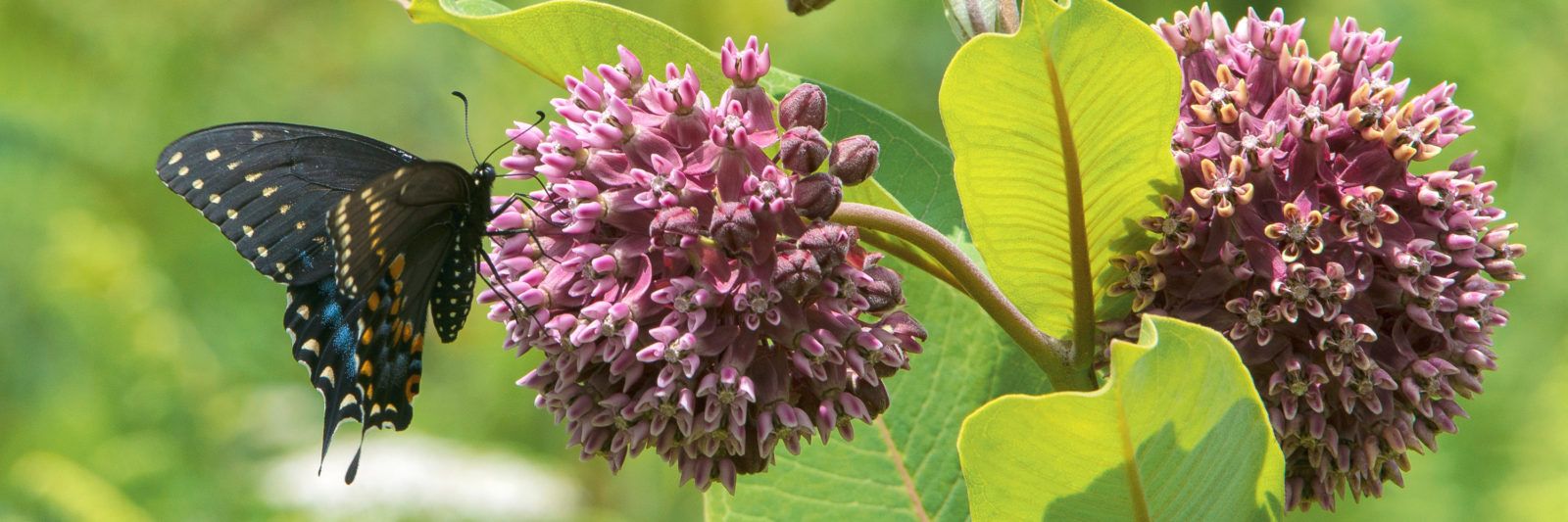
Brilliant displays of bright orange blooms and a compact form make this a popular choice for the native garden. While milkweed species are the only hosts for Monarch caterpillars, butterfly milkweed is arguably one of the most well behaved of the group, making it ideal for small perennial gardens. Cold-hardy to USDA Hardiness Zone 3, so it easily thrives through Omaha winters, and stands up against the area’s summer heat too.

Botanical Name: Baptisia australis
Bloom Period: June-July
Height: 3-4′ tall
This showy plant makes a stunning addition for every season in the garden. Abundant, blue flowers and attractive bluish-green foliage are followed by bold displays of large, black seed pods in the fall and winter. Native to the tallgrass prairie and once established, its deep taproot supports it through hot, dry Omaha summers without additional watering.

Botanical Names: Echinacea purpurea and E. pallida
Bloom Period: June-August
Height: 2-4′ tall
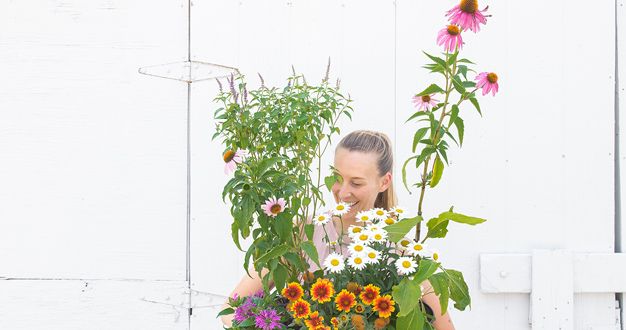
With its iconic pink-purple blooms held on strong, study stems, purple coneflower is a popular native wildflower loved by goldfinches and butterflies. And its distinct seed heads add attractive texture for the winter landscape. Less well known is the closely related pale purple coneflower with narrow, drooping flower petals and a longer bloom period starting a couple weeks earlier than its cousin. Long-lived Midwest natives and well-adapted to Omaha’s variable soil conditions and yearly temperature extremes.

Botanical Name: Eutrochium purpurea
Bloom Period: July-September
Height: 5-7′ tall
Giant clouds of pinkish-purple blooms and nearly constant activity from visiting butterflies make purple joe pye weed a must for the native garden. Even before it blooms whorls of coarse, lance-shaped foliage make an attractive addition for the landscape. Loves the sun and is especially suited for areas with consistent soil moisture like rain gardens and around water features.

Botanical Name: Eryngium yuccifolium
Bloom Period: June-August
Height: 4-5′ tall
For a truly unique addition to the native garden, rattlesnake master is hard to beat. Its coarse, yucca-like foliage, bristly, globe-shaped floral heads, and shades of silver-blue-green add striking texture and color to any sunny landscape. And as a host plant for black swallowtail butterfly, it’s a valuable addition to the butterfly garden. Deep roots and fibrous foliage make it tough and adaptable to a variety of soil conditions and temperatures.

Botanical Name: Schyizachyrium scoparium
Bloom Period: August-October
Height: 2-3′ tall
This upright, ornamental grass offers a beautiful show of color, beginning with blue-green foliage in the spring, mahogany red with fuzzy, white seed heads in the fall, and golden orange-tan in the winter. The seeds are valuable for birds, and the plant is a host for the caterpillars of several skipper butterflies. Thrives in Omaha’s clay-heavy soils and its fine foliage sways with ease in the Midwest wind.

Botanical Name: Solidago rugosa
Bloom Period: September-October
Height: 3-4′ tall
Just when many other blooms are fading, rough-stemmed goldenrod offers a bright display of tiny yellow flowers along its cascading branches. This late-season bloomer is a great resource for various pollinators and can help extend the season in the pollinator garden. Survives harsh Midwest weather in any season, and with its tough, fibrous stem, persistent wind is no bother.
We’re excited to offer these and many others as part of our native plant collection in Nebraska. Stop in to browse our plants of the Great Plains, and find the perfect ones for your landscape. And if you have any questions or need ideas, our team is always here to help!